Vol. 9 - 2025
MusMat • Brazilian Journal of Music and Mathematics
A Chord’s Third Nature, and How it Models and Generalizes Omnibus Progressions
Scott MurphyAbstract: Richard Cohn and Dmitri Tymoczko have explored how certain chords, already endowed with a “first nature” characterized by an acoustic consonance relatively high for the chord’s size, also possess a “second nature” that permits them to voice lead relatively smoothly to their pitch-class transpositions using contrary motion. I propose a “third nature” enjoyed by some chords that also enables smooth contrary motion to their pitch-class transpositions, but adds step inertia, harmonic variety, and the virtue of “going somewhere” to the list of compositional achievements. This perspective on a chord’s “third nature” facilitates both a codification and generalization of the long version of the familiar omnibus progression, as demonstrated through analyses of music by Nikolai Medtner, Ferdinand Ries, Giuseppe Verdi, and especially Dmitri Klebanov, and the composition of a passage in the style of an etude by György Ligeti.
Keywords: Harmonic consonance, voice leading smoothness, chordal evenness, omnibus progression, Klebanov.
Erratum (March 03rd 2026)
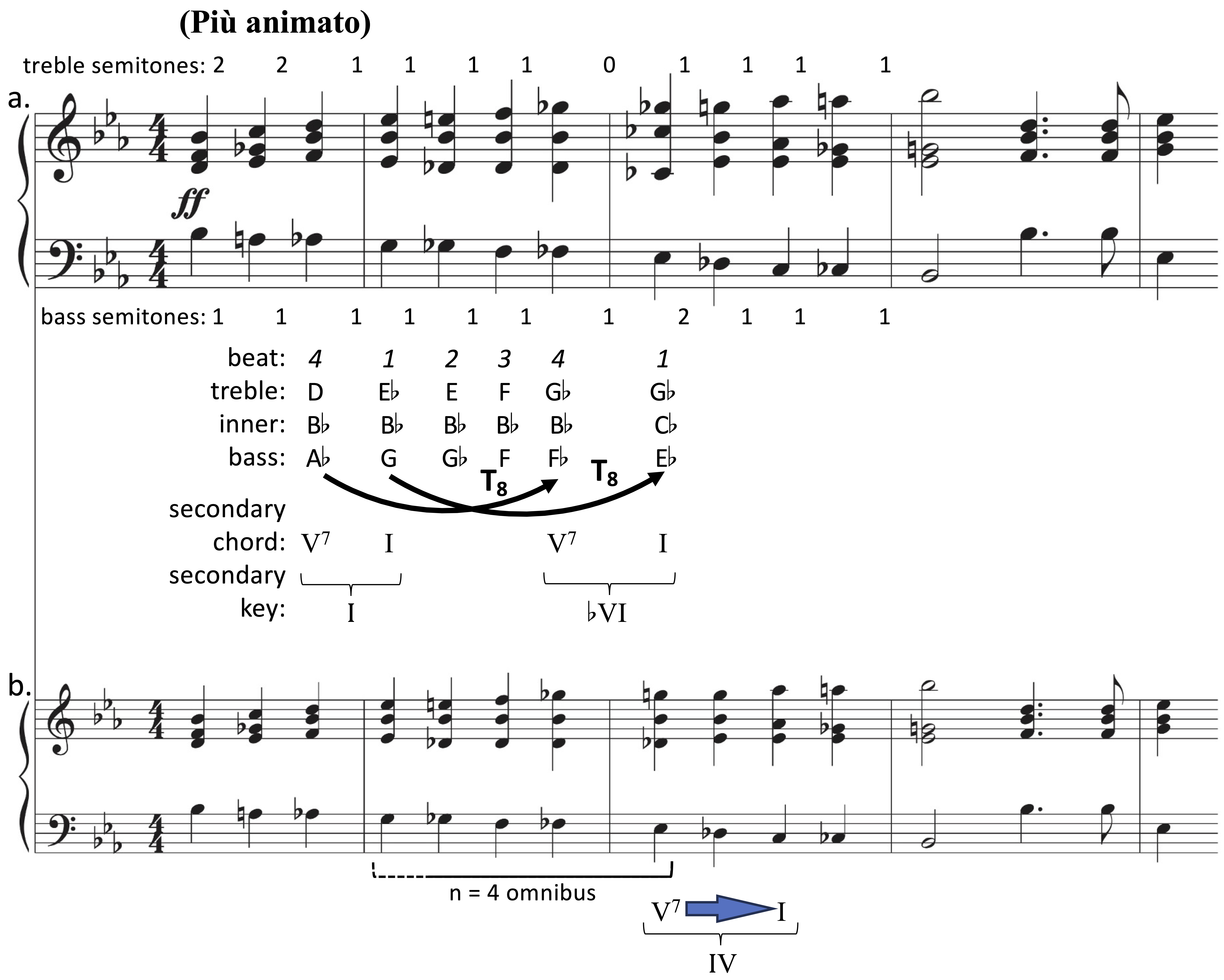
Figure 25 in the published paper article should be replaced by this one.